English can be tricky, especially when two words look almost the same but mean very different things. One such confusing pair is seel or seal. At first glance, they seem like spelling variations of the same word. But they are not. In fact, seal is a very common word we use in daily life, while seel is rare and mostly seen in old or special types of writing.
Because these words are spelled so closely, many learners make mistakes when choosing the correct one. This easy guide will help you understand the difference between seel and seal, their meanings, correct usage, and simple examples. By the end of this article, you will know exactly how to use seel or seal correctly, even if you are a beginner. Everything is explained in plain English so even a 4th-grade student can understand it with ease.
What Does Each Word Mean?
Meaning of Seal
Seal is a common English word. It can be used as a noun or a verb.
As a noun, seal means:
- An animal that lives in the ocean
- A mark, stamp, or sign used to close or approve something
As a verb, seal means:
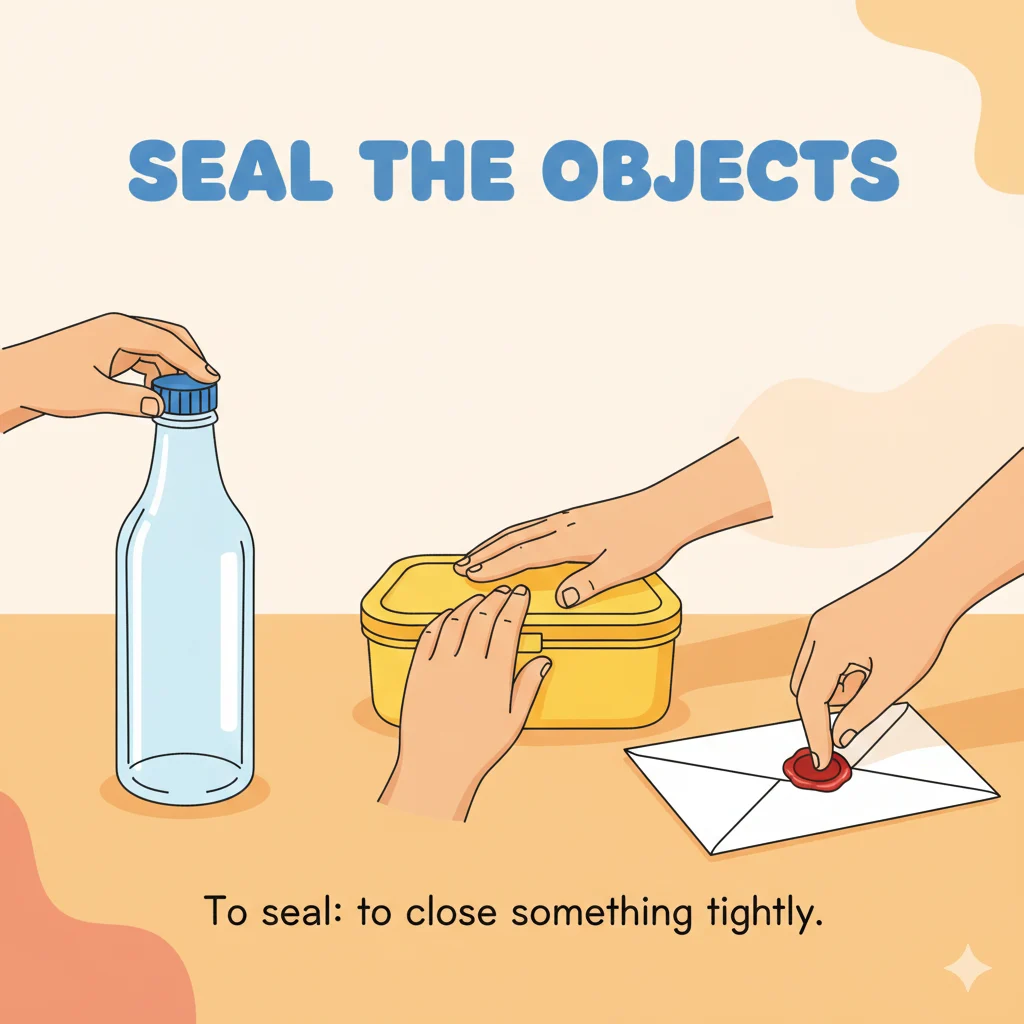
- To close something tightly
- To make something official or secure
Easy examples of seal:
- Please seal the envelope before mailing it.
- The jar is sealed so air cannot get inside.
- We saw a seal swimming at the zoo.
Think of seal as something that closes, protects, or confirms.
Meaning of Seel
Seel is a rare word. It is mostly used as a verb in old English or poetic writing.
Seel means:
- To close someone’s eyes
- To stop someone from seeing clearly
Long ago, people used the word seel when talking about birds, especially hawks. Their eyes were gently sewn shut to calm them.
Easy examples of seel:
- The bright light seemed to seel his eyes.
- Fear can seel people from seeing the truth.
- In old stories, trainers would seel a hawk’s eyes.
Think of seel as something that blocks or closes vision.
The Key Difference Between Seel and Seal
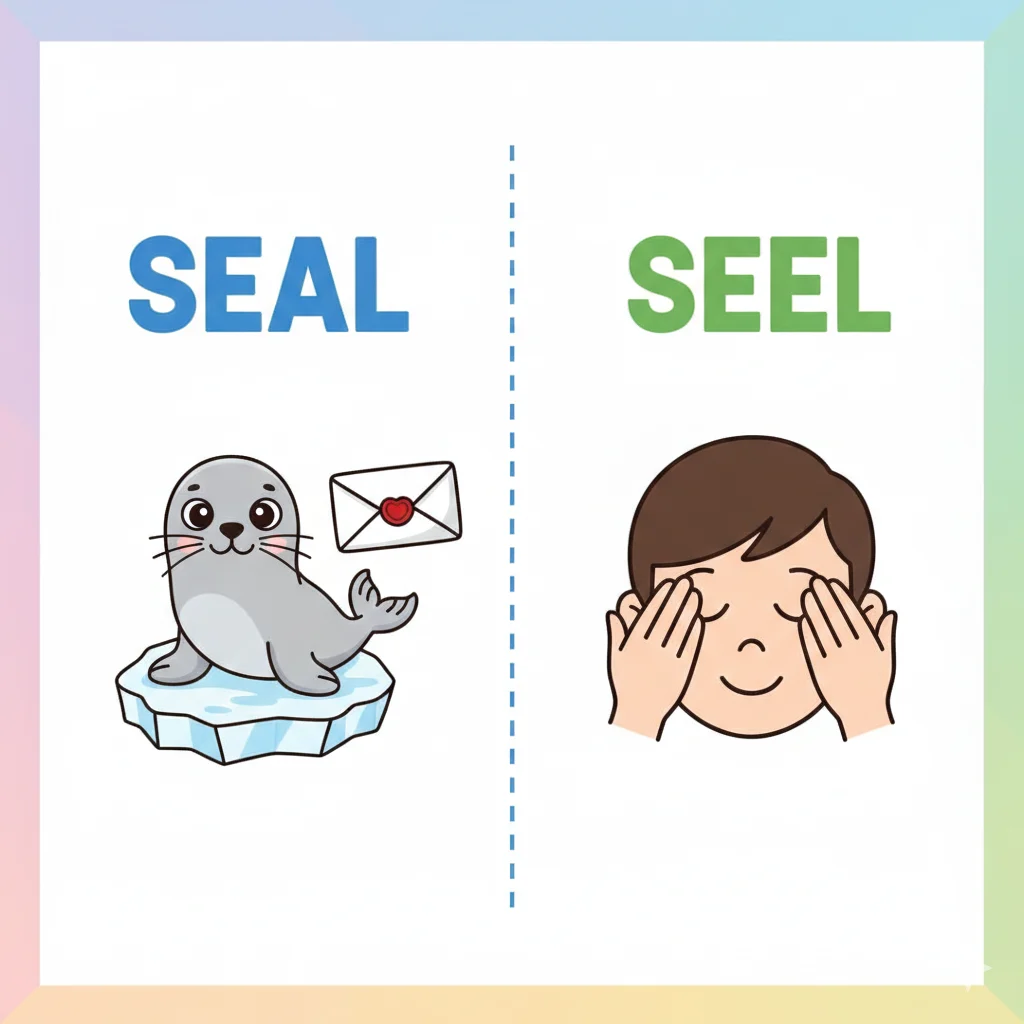
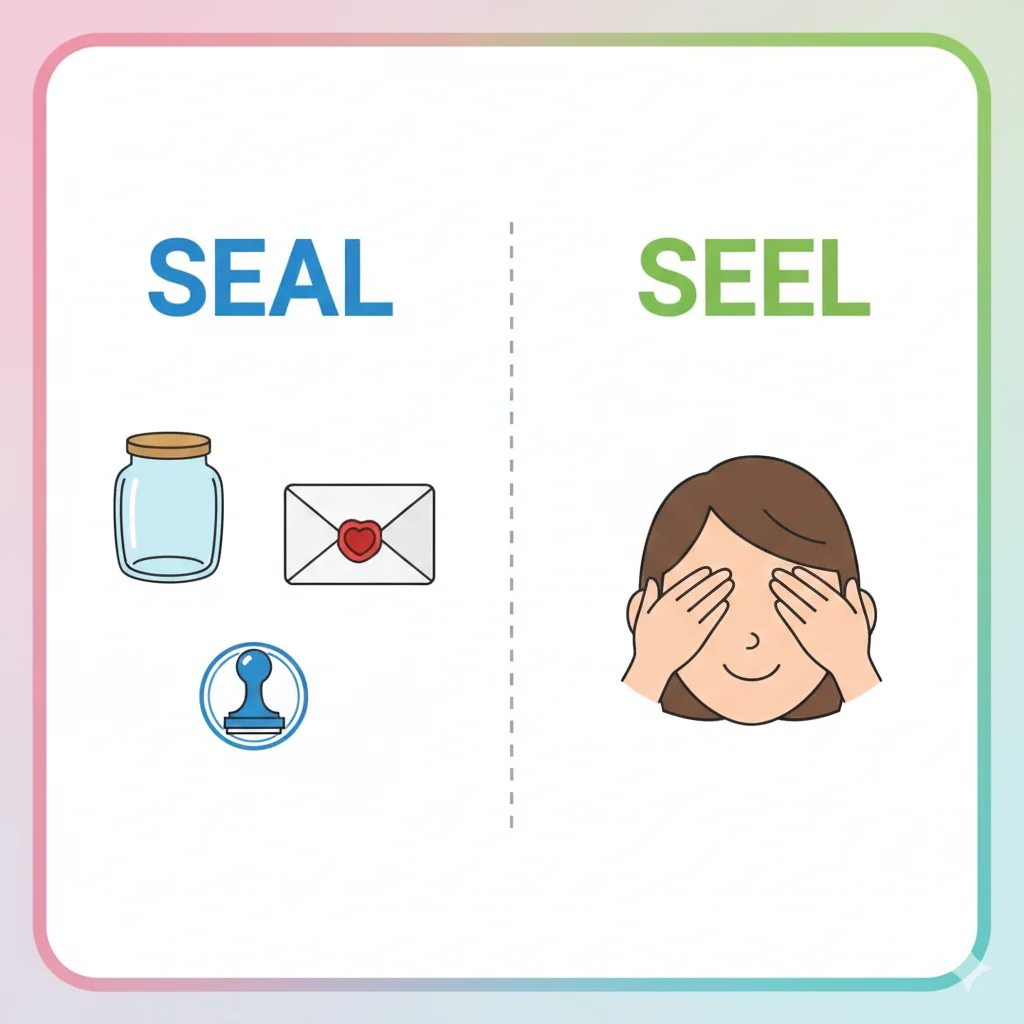
The main difference between seel and seal is what they close.
- Seal closes objects, containers, or agreements
- Seel closes eyes or vision
Comparison Table: Seel vs Seal
| Feature | Seal | Seel |
|---|---|---|
| Common usage | Very common | Very rare |
| Part of speech | Noun & Verb | Verb |
| Meaning | To close or secure | To close eyes or block sight |
| Used in daily life | Yes | No |
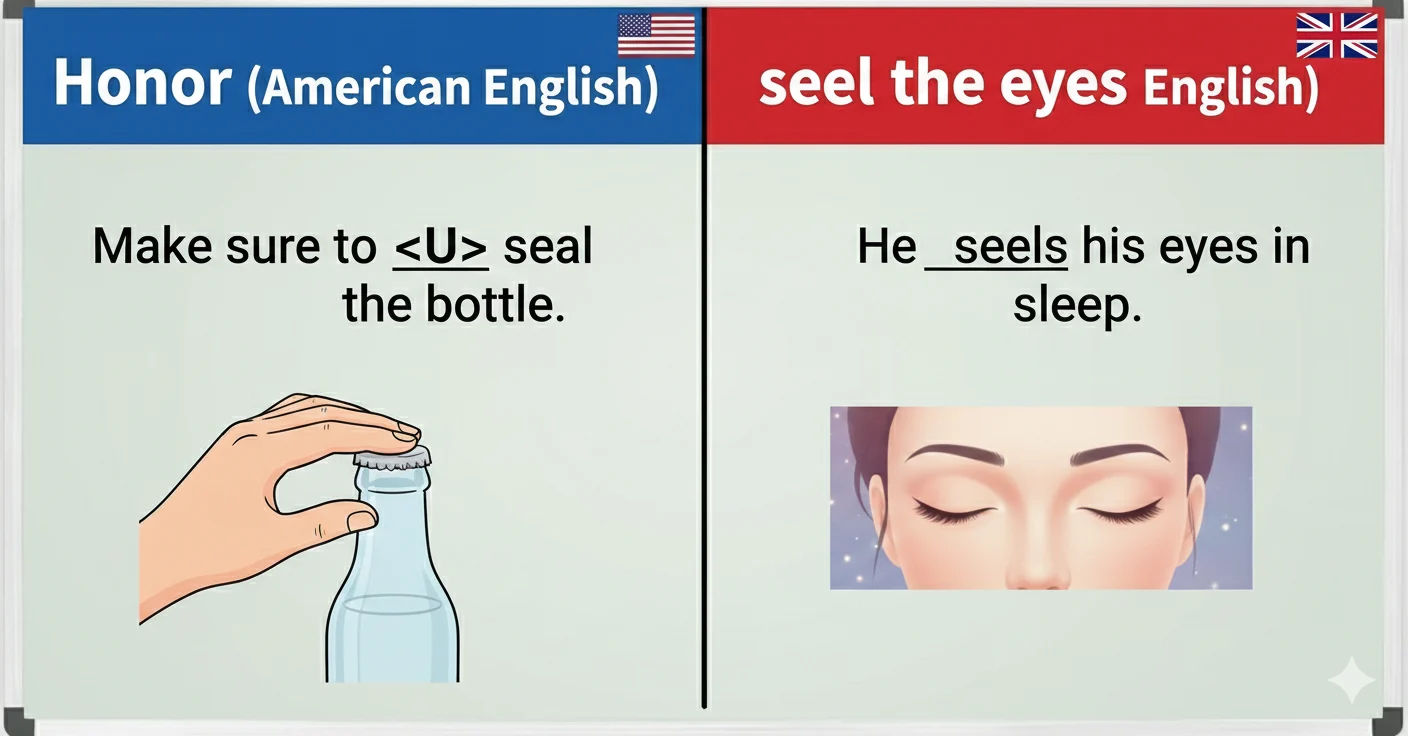
| Example | Seal the bottle | Seel his eyes |
Quick Tip to Remember
👉 Seal has the word “all” inside it — it seals all things closed.
👉 Seel sounds like “see” — it is about not seeing.
Common Mistakes and How to Avoid Them
Many people confuse seel or seal because they look similar. Let’s fix that.
Mistake 1
❌ Please seel the envelope.
✅ Please seal the envelope.
Why it’s wrong:
Envelopes are objects. You close them, not eyes.
Mistake 2
❌ Darkness sealed his eyes.
✅ Darkness seeled his eyes.
Why it’s wrong:
This sentence talks about vision, not closing an object.
Mistake 3
❌ The trainer sealed the bird’s eyes.
✅ The trainer seeled the bird’s eyes.
How to avoid mistakes:
Always ask yourself:
- Am I closing a thing? → use seal
- Am I closing eyes or sight? → use seel
When to Use Seal
Use seal when talking about closing, covering, protecting, or confirming something.
Common situations to use seal
- Closing bottles, jars, envelopes
- Making documents official
- Talking about waterproof or airtight things
- Referring to the sea animal
Simple examples of seal
- Seal the lunchbox before school.
- The plumber sealed the pipe.
- The letter has a red seal.
- The deal was sealed with a handshake.
- This bag is sealed to keep food fresh.
Real-life tip:
If you can touch it or see it physically, seal is usually the correct word.
When to Use Seel
Use seel when talking about blocking vision or closing eyes, often in a figurative or old-fashioned way.
Common situations to use seel
- Old stories or poems
- Symbolic writing
- Talking about blindness or hidden truth
Simple examples of seel
- Fear can seel your eyes to danger.
- The bright sun seeled his eyes.
- Pride can seel people from learning.
- In history, hawks were seeled.
- Anger can seel good judgment.
Memory Hack
👀 Seel = See + block
If sight is blocked, choose seel.
Quick Recap: Seel vs Seal
- Seal
- Common word
- Closes or protects objects
- Used in daily life
- Example: Seal the bottle
- Seel
- Rare word
- Closes eyes or vision
- Used in old or poetic writing
- Example: Fear seeled his eyes
Advanced Tips (Optional)
Word Origins
- Seal comes from Latin words meaning mark or stamp.
- Seel comes from old falconry practices.
Formal Writing
- Seal is used in essays, exams, and business writing.
- Seel is rarely used and may confuse readers.
Online & Texting
Using seel instead of seal in emails or messages can change meaning and look like a spelling mistake.
Mini Quiz: Test Your Understanding
Fill in the blanks with seel or seal.
- Please ___ the package carefully.
- Fear can ___ people from the truth.
- The bottle is tightly ___.
- Darkness seemed to ___ his eyes.
- The deal was finally ___.
Answers
- seal
- seel
- sealed
- seel
- sealed
Frequently Asked Questions (FAQs)
1. What is the difference between seel and seal?
Seal means to close or secure something. Seel means to close eyes or block vision.
2. Is seel still used in modern English?
Very rarely. It appears mostly in poetry or old texts.
3. Can seal be a noun and a verb?
Yes. Seal can be an animal, a stamp, or an action.
4. Is seel a spelling mistake of seal?
No. Seel is a real word, but it has a very different meaning.
5. Which word should I use in exams?
Almost always seal. Avoid seel unless clearly required.
Conclusion
Understanding the difference between seel and seal is much easier when you focus on one key idea: seal closes things, seel closes sight. Seal is a common word you will use often in school, writing, and daily life. Seel is rare and mostly used in old or poetic language. By practicing simple examples and remembering the quick tips, you can avoid common mistakes and feel more confident in your English. Keep learning one word at a time. Small steps make big progress in language learning.

Elizabeth Gaskell was a Victorian English novelist and biographer, celebrated for social realism, strong female characters, and industrial age themes. era life.