Which or Wich: The Grammar Rule You Must Know
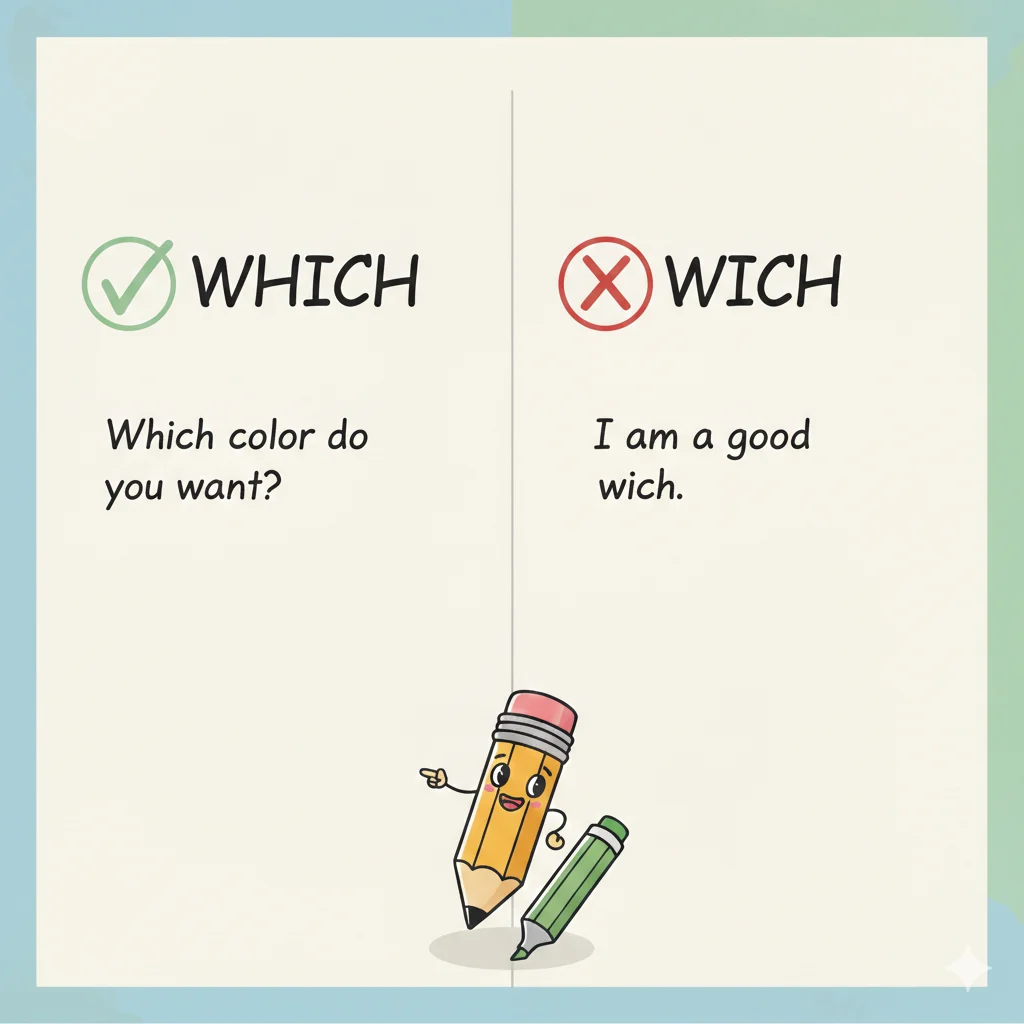
Many English learners and writers often get confused between “which” and “wich.” Although they sound similar, only one is correct ...
Read more
Seel or Seal: One Spelling Changes the Meaning
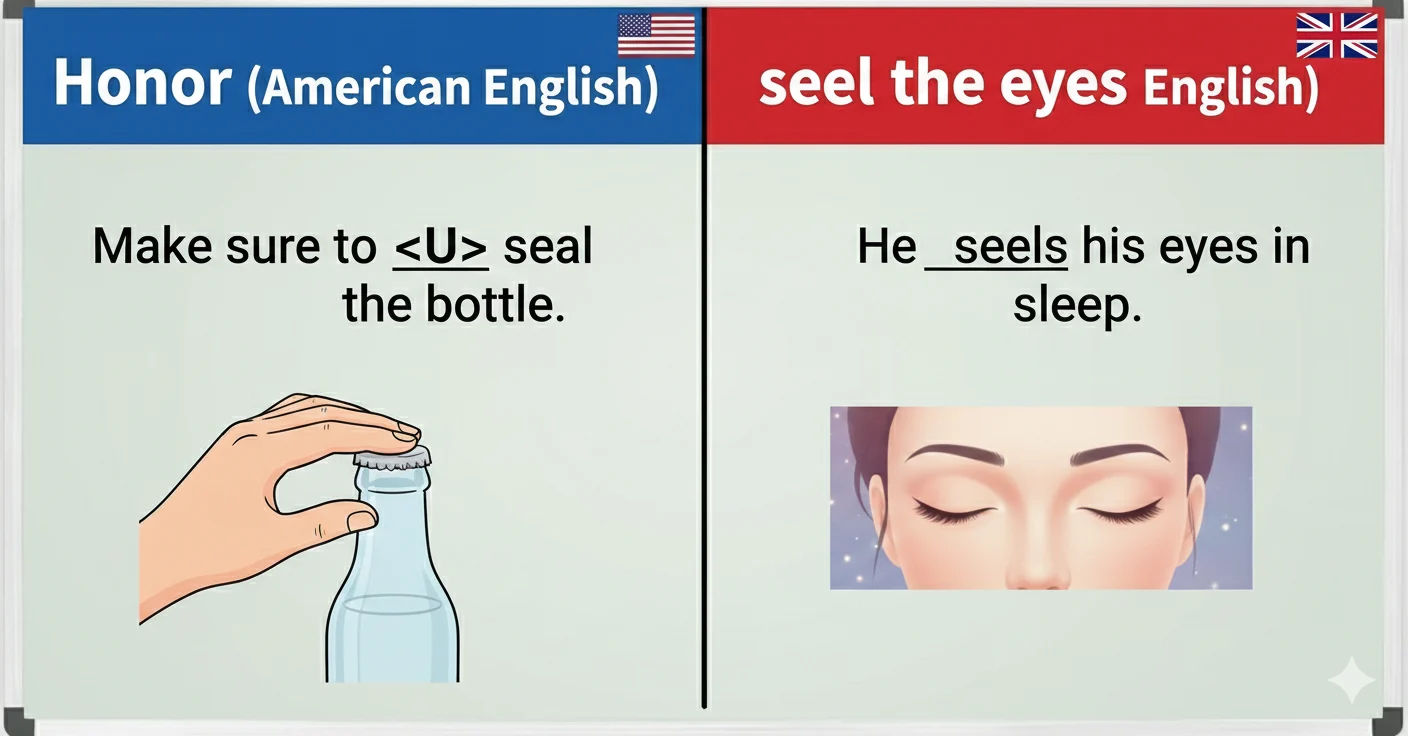
English can be tricky, especially when two words look almost the same but mean very different things. One such confusing ...
Read more
Gluing or Glueing: The Grammar Rule Most People Miss
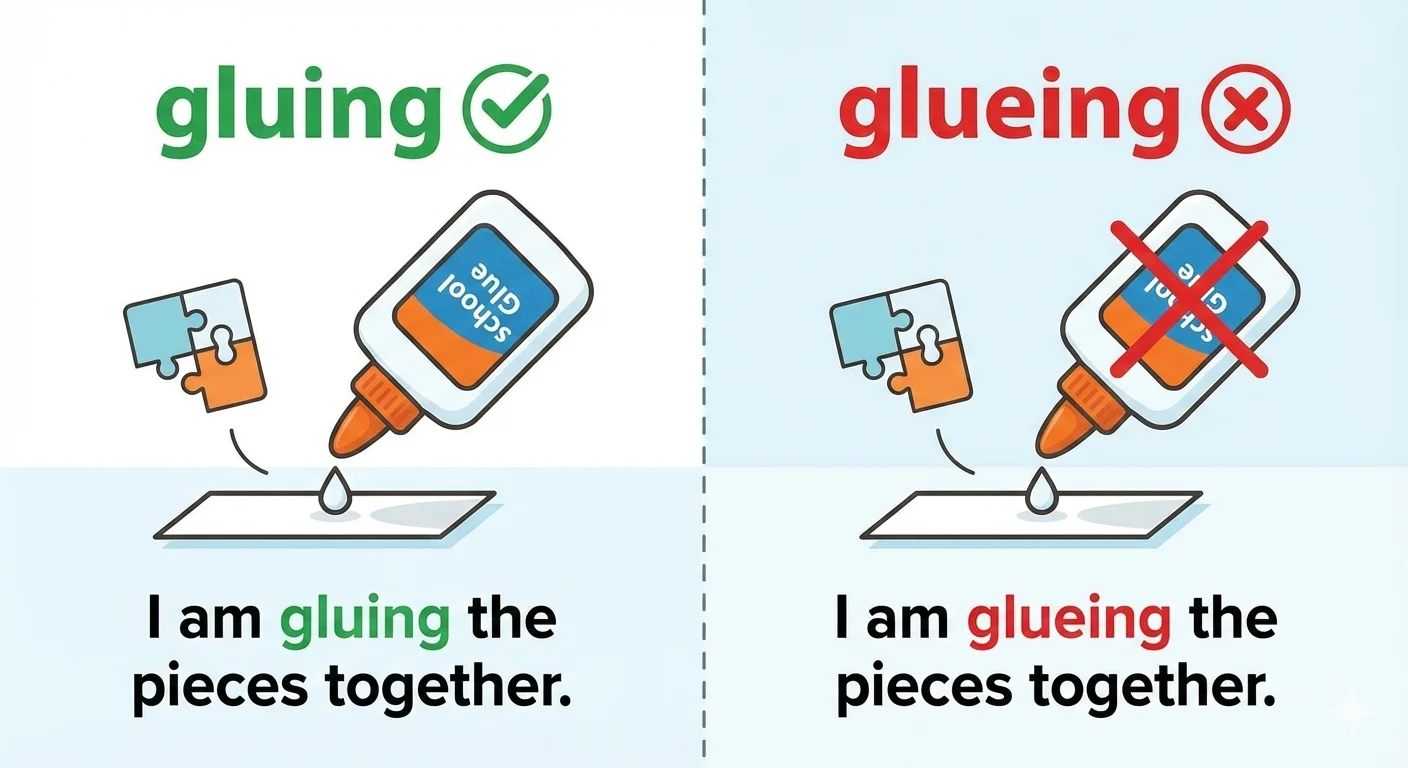
English spelling can be tricky, even for adults. One common spelling confusion many people face is gluing or glueing. You ...
Read more
Labelling or Labeling: One Version Is Preferred by Experts

English can be confusing sometimes. One small word can have two spellings, and both can be correct. A great example ...
Read more
Stoped or Stopped: One Form Is Always Wrong
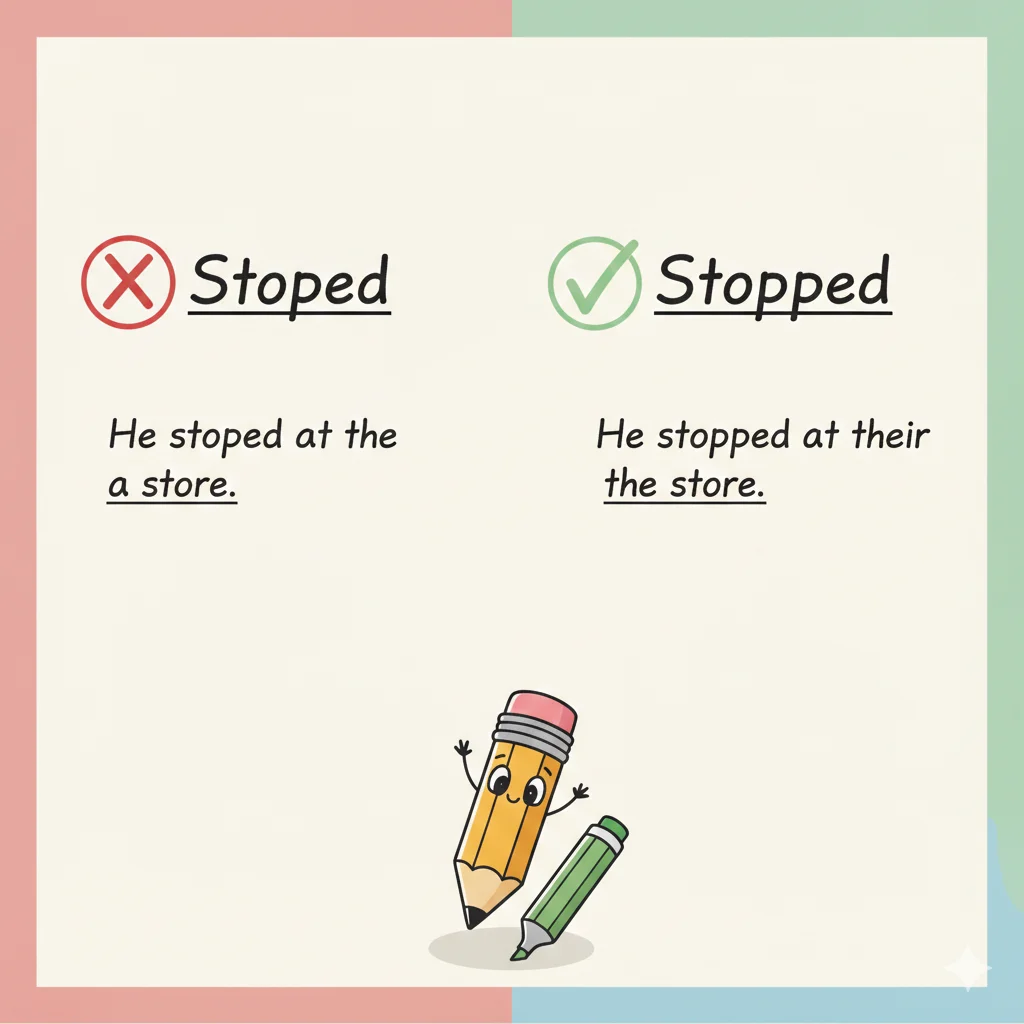
Have you ever written a sentence and paused to wonder, “Is it stoped or stopped?” You are not alone. This ...
Read more
Honor or Honour: The Difference Most People Miss
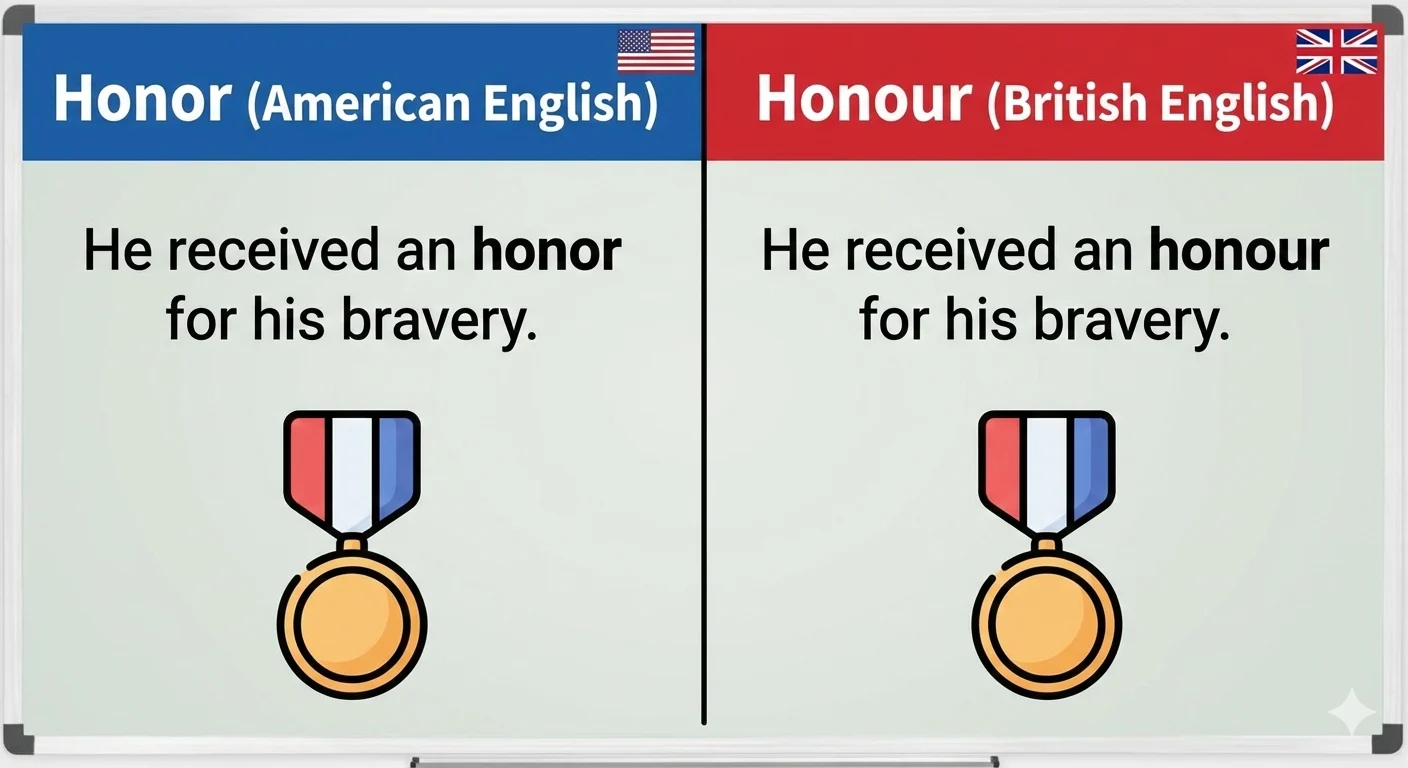
English can be tricky, especially when two words look almost the same but are spelled differently. Honor and honour are ...
Read more
Humour or Humor: The Tiny Difference Everyone Misses
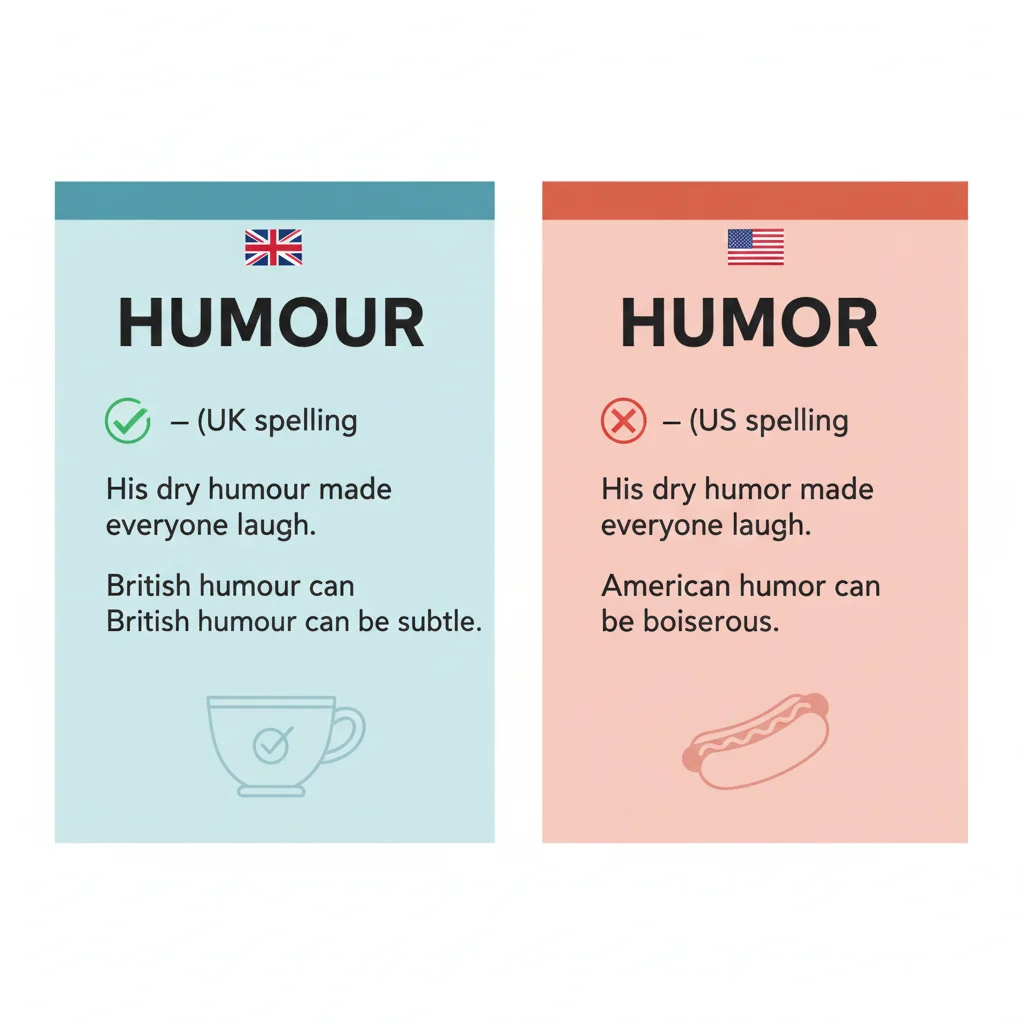
At first glance, “humour” and “humor” may seem identical, but their spellings differ based on regional English conventions. Many writers ...
Read more
Sergeant or Sargent: One Version Is Always Wrong
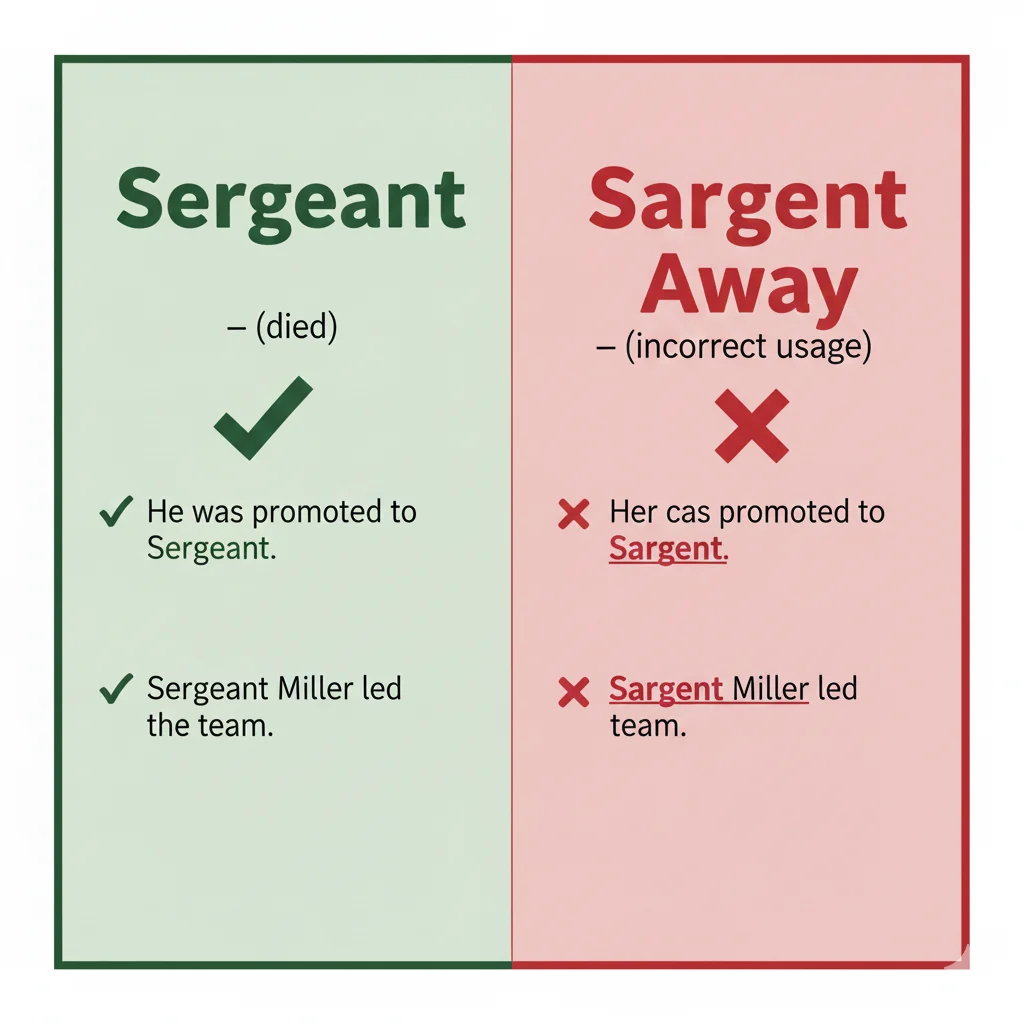
Many people often get confused between “sergeant” and “sargent”, especially when writing or reading about military or police ranks. Both ...
Read more
Passed Away or Past Away: One Phrase Is Completely Wrong
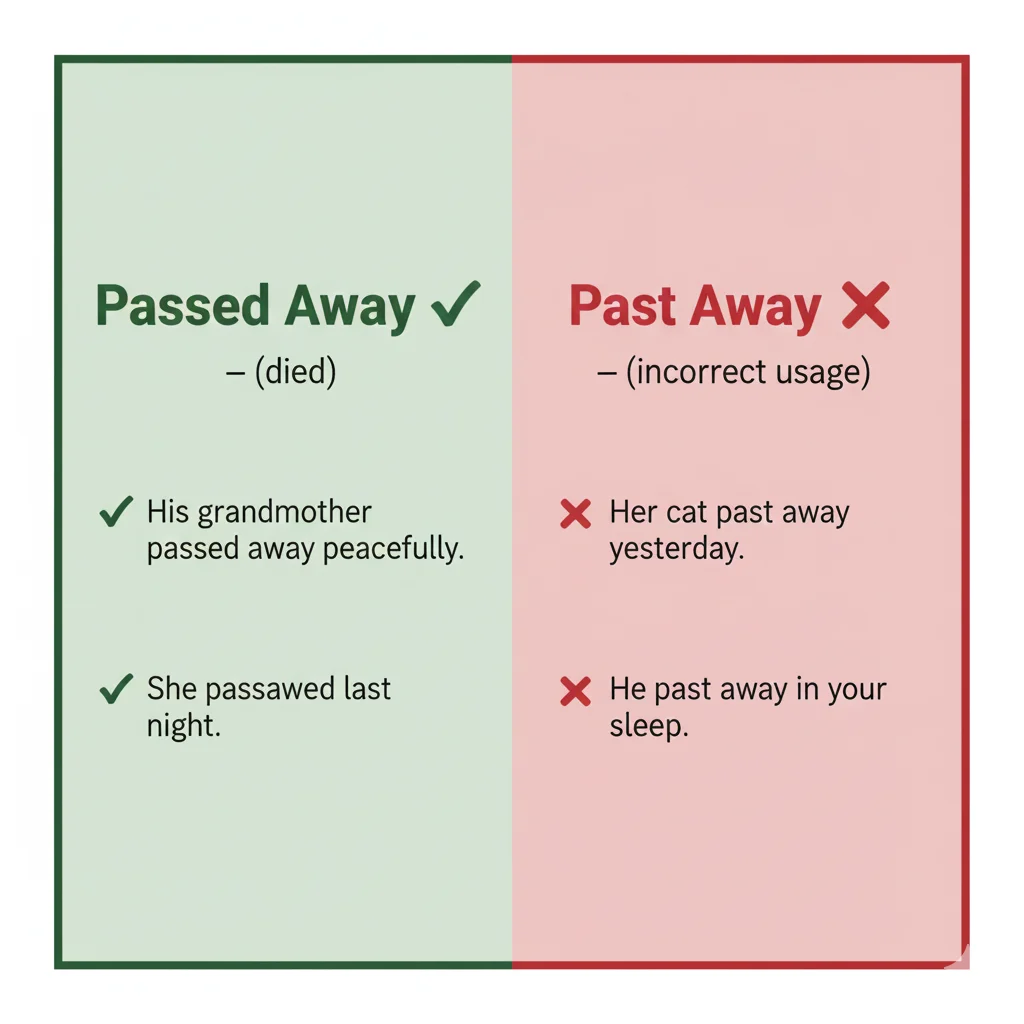
Many English learners and even native speakers feel confused when they see or hear “passed away” and “past away.” They ...
Read more
Laying or Lying in Bed: The Tiny Rule Most People Get Wrong
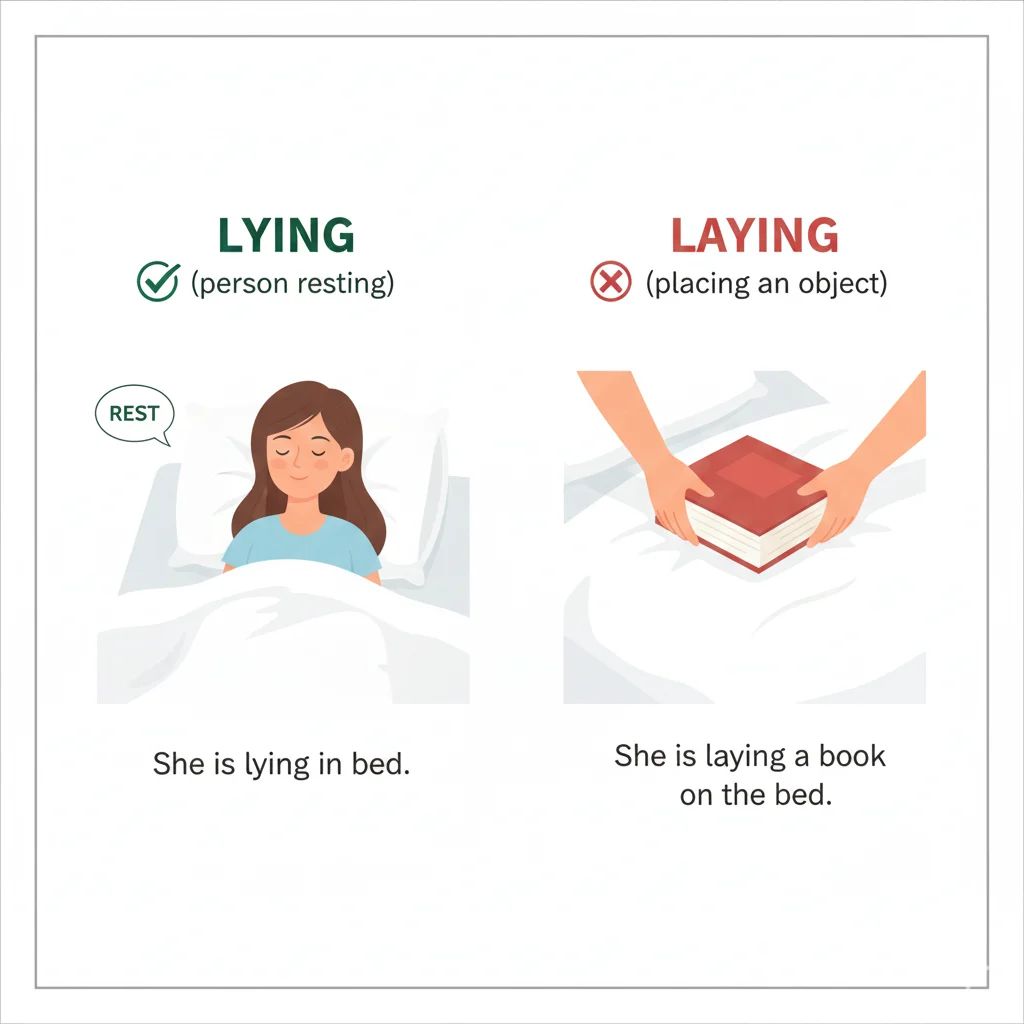
Many people feel confused when choosing between laying or lying in bed. You might have heard both sentences: “I am ...
Read more