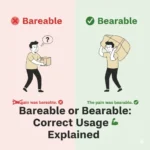
Bareable or Bearable: The Tiny Letter That Changes Meaning
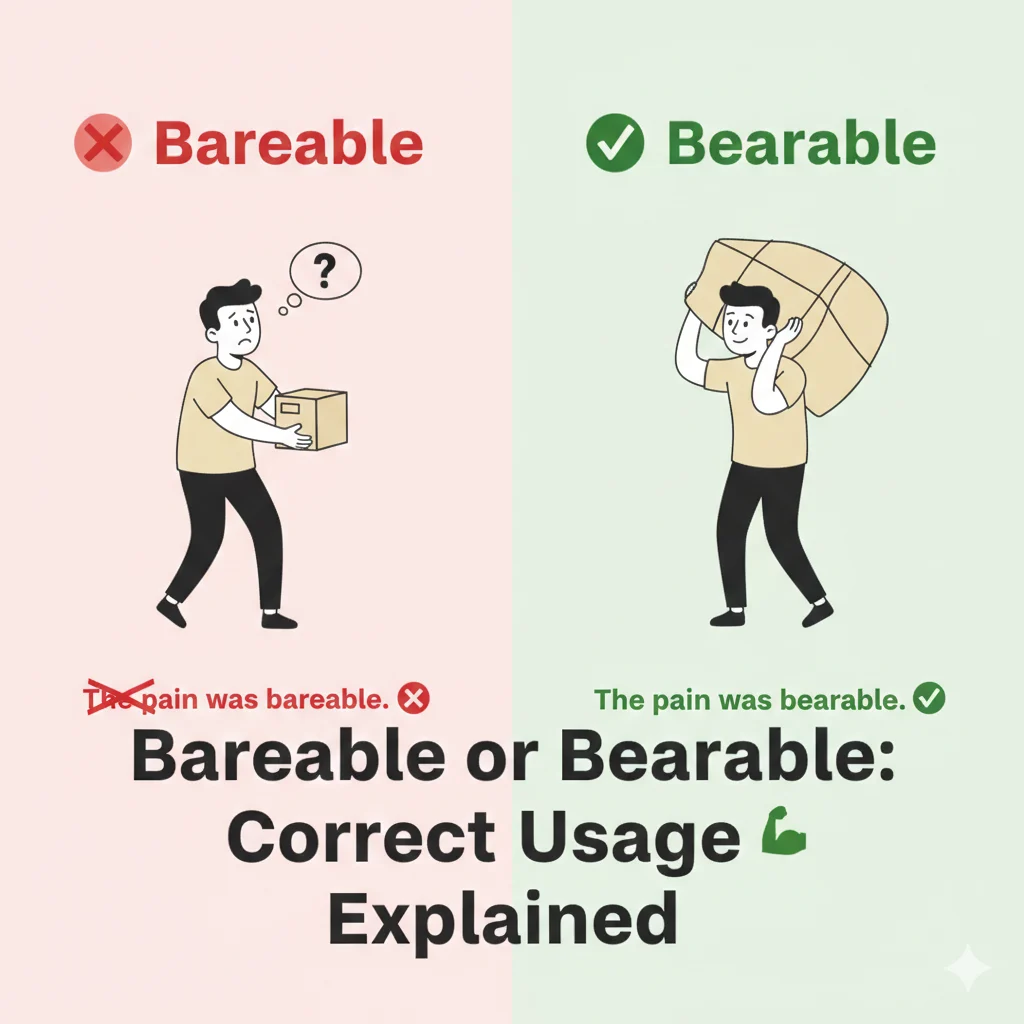
English can be tricky, especially when two words sound very similar. One of the most common confusions is bareable or ...
Read more
Stock or Broth: Which One Makes Food Taste Better?
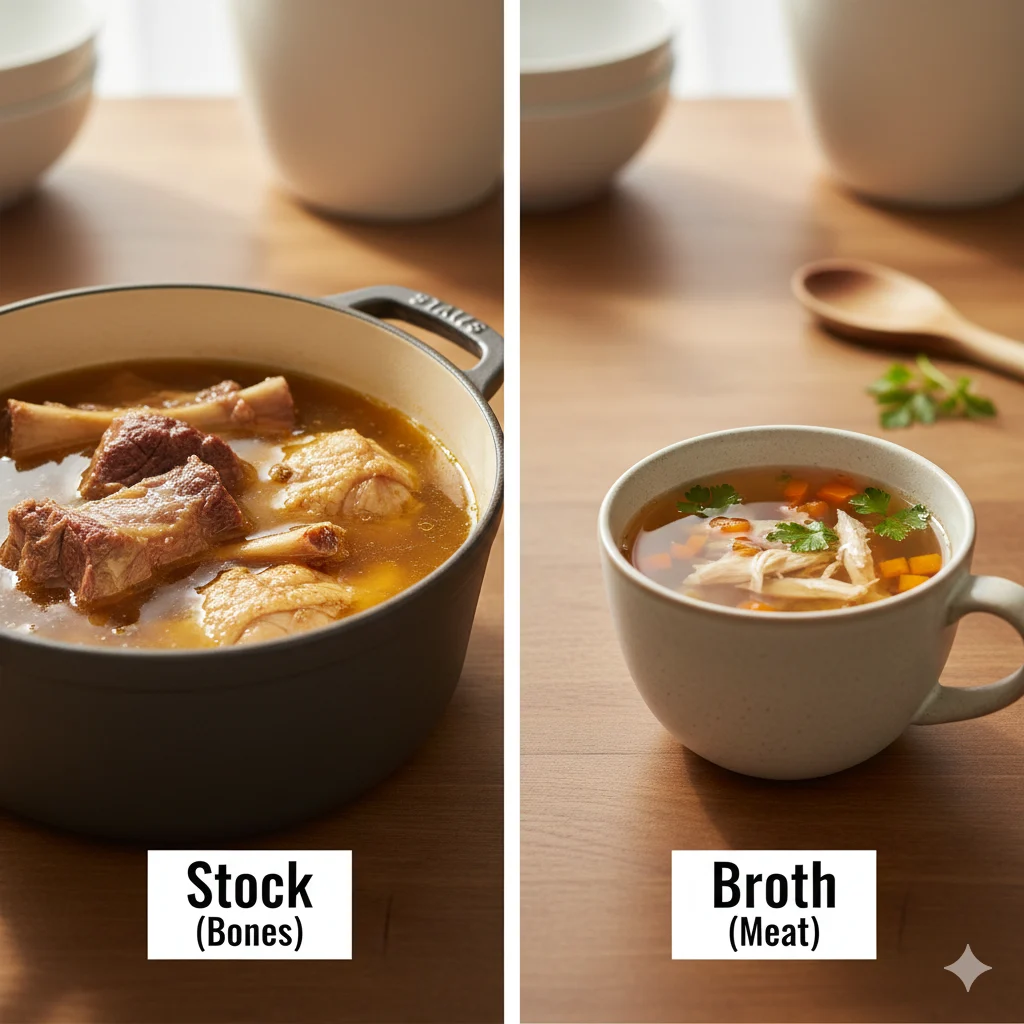
Have you ever stood in the kitchen and wondered, “Stock or broth — which one should I use?” You are ...
Read more
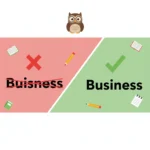
Buisness or Business: The Grammar Rule You Need
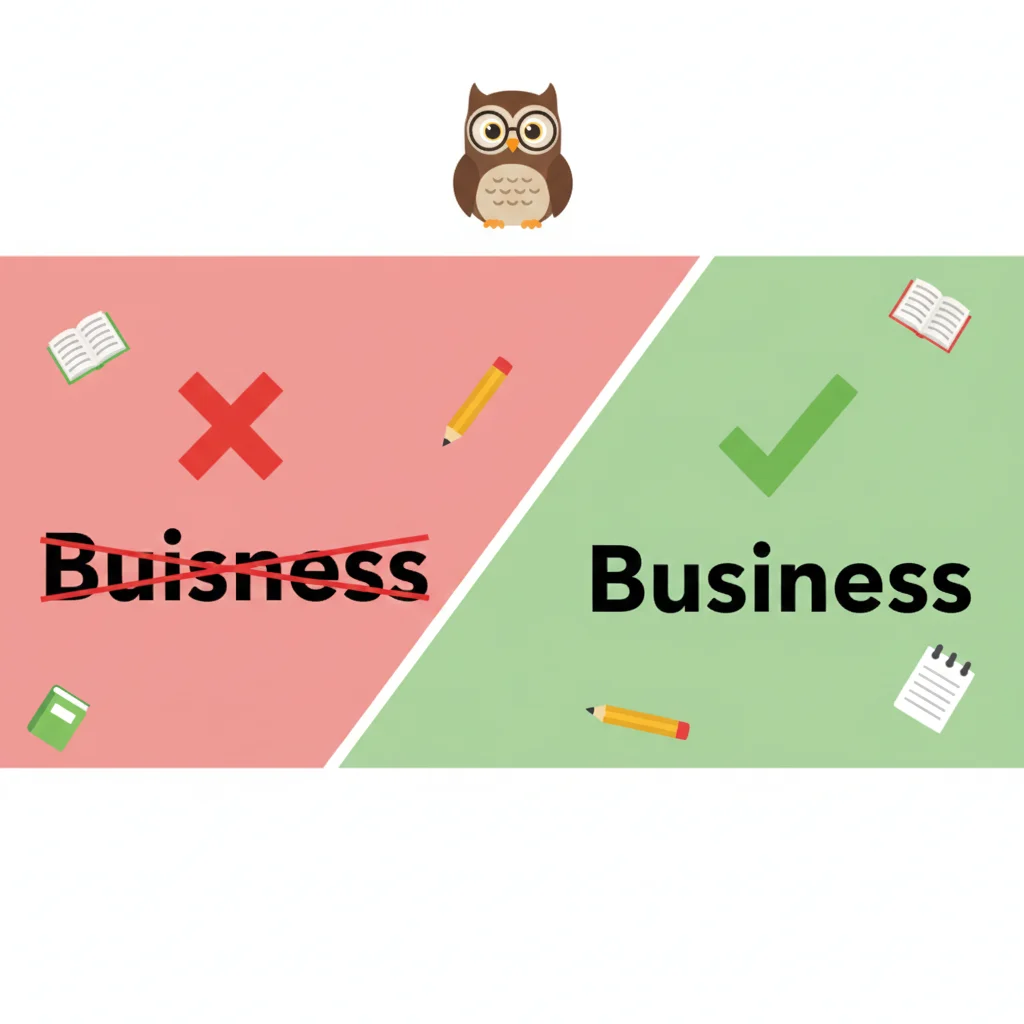
Have you ever typed “buisness” and your keyboard showed a red underline? You paused.You wondered.Is it buisness or business? It ...
Read more
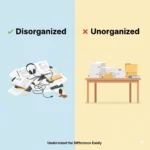
Disorganized or Unorganized: The Hidden Meaning Shift
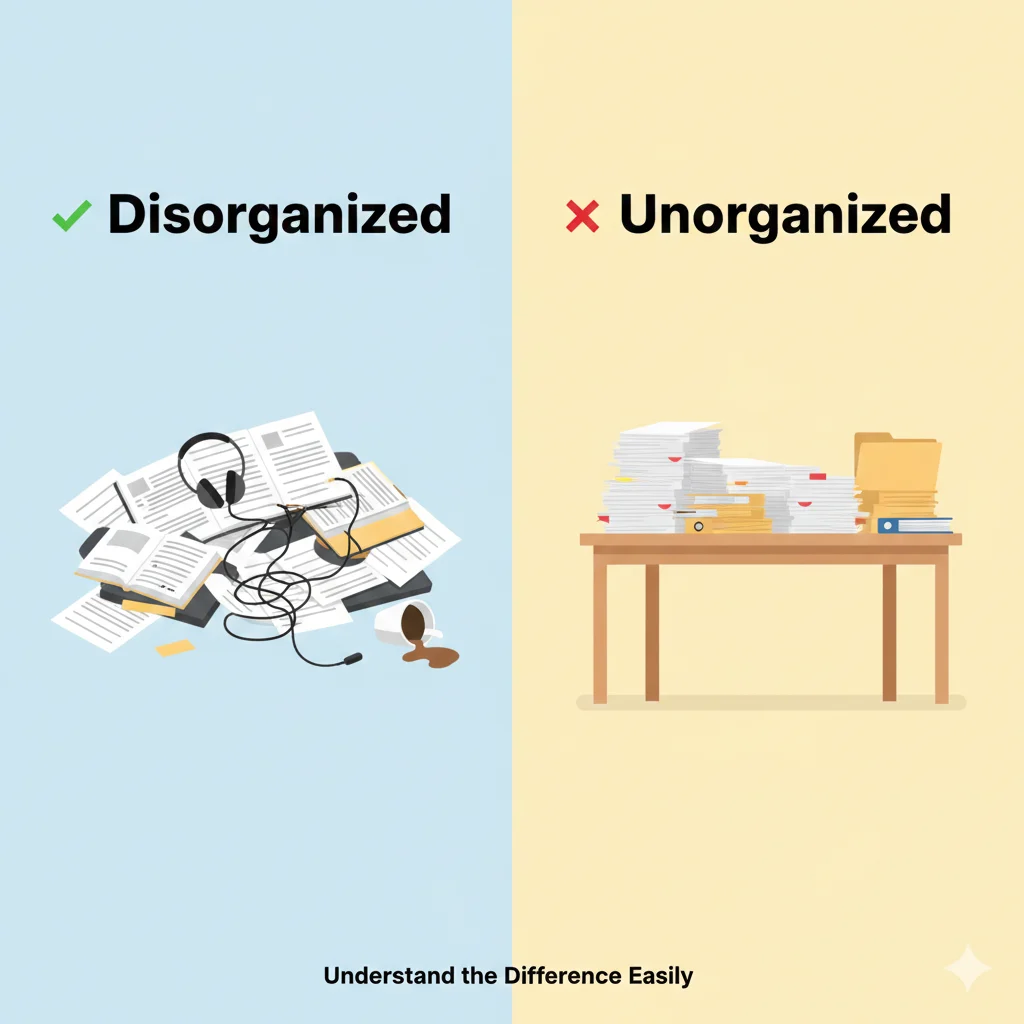
Have you ever wondered about disorganized or unorganized? Many people mix up these two words. They look similar. They sound ...
Read more
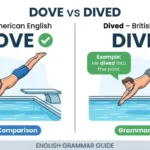
Dove or Dived: The Hidden English Rule You Missed
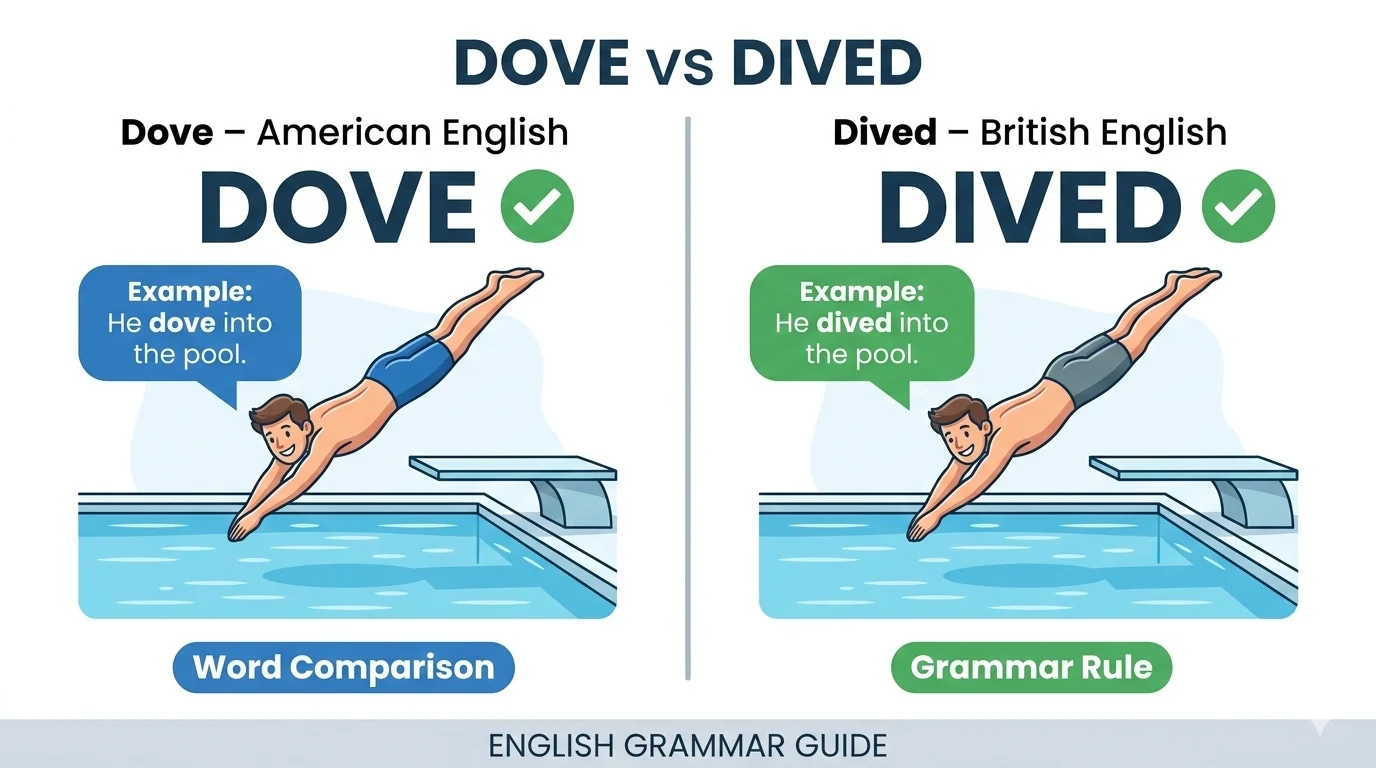
Have you ever paused while writing and thought, “Should I write dove or dived?” If yes, you are not alone. ...
Read more
Miner or Geologist: The Job Choice That Changes Everything
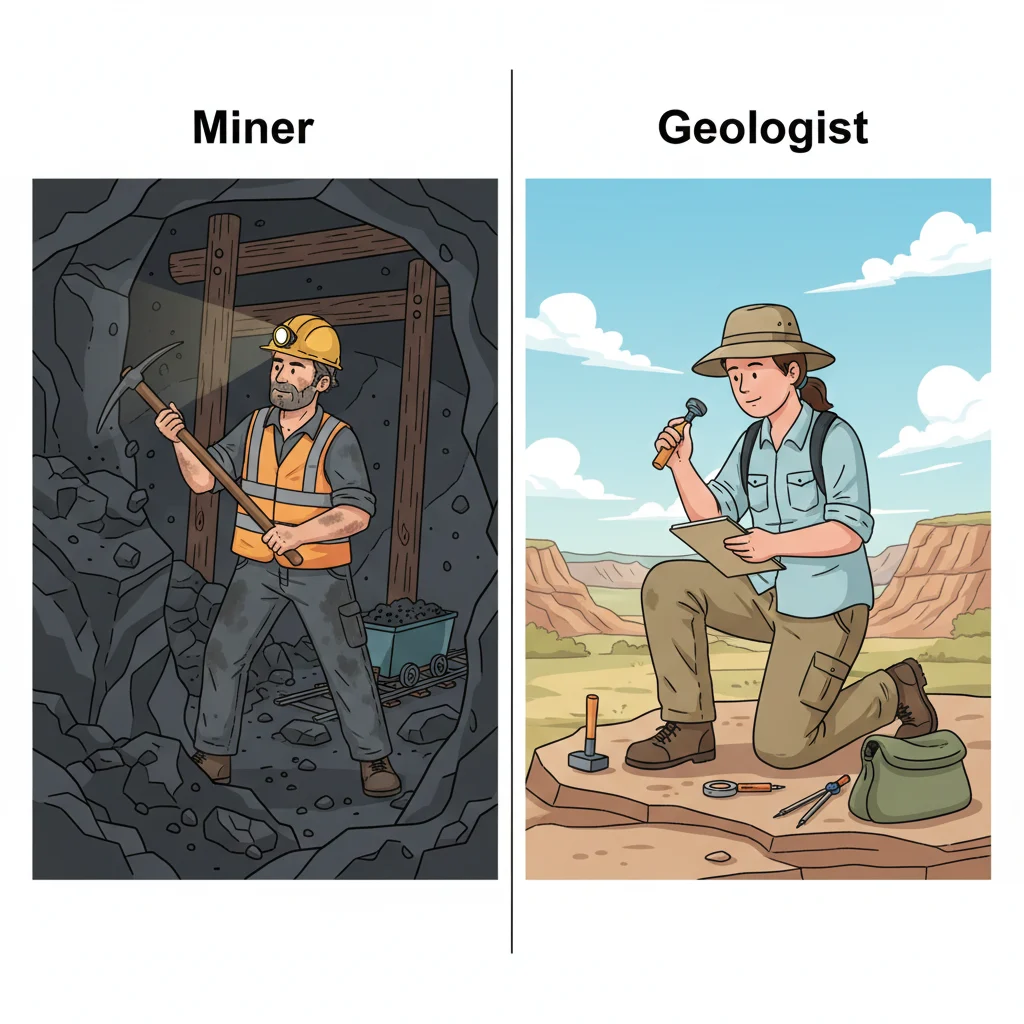
Many people get confused about miner or geologist. At first, they seem similar. Both work with rocks. Both are connected ...
Read more
Sub or Dub: The Truth Hardcore Fans Won’t Admit
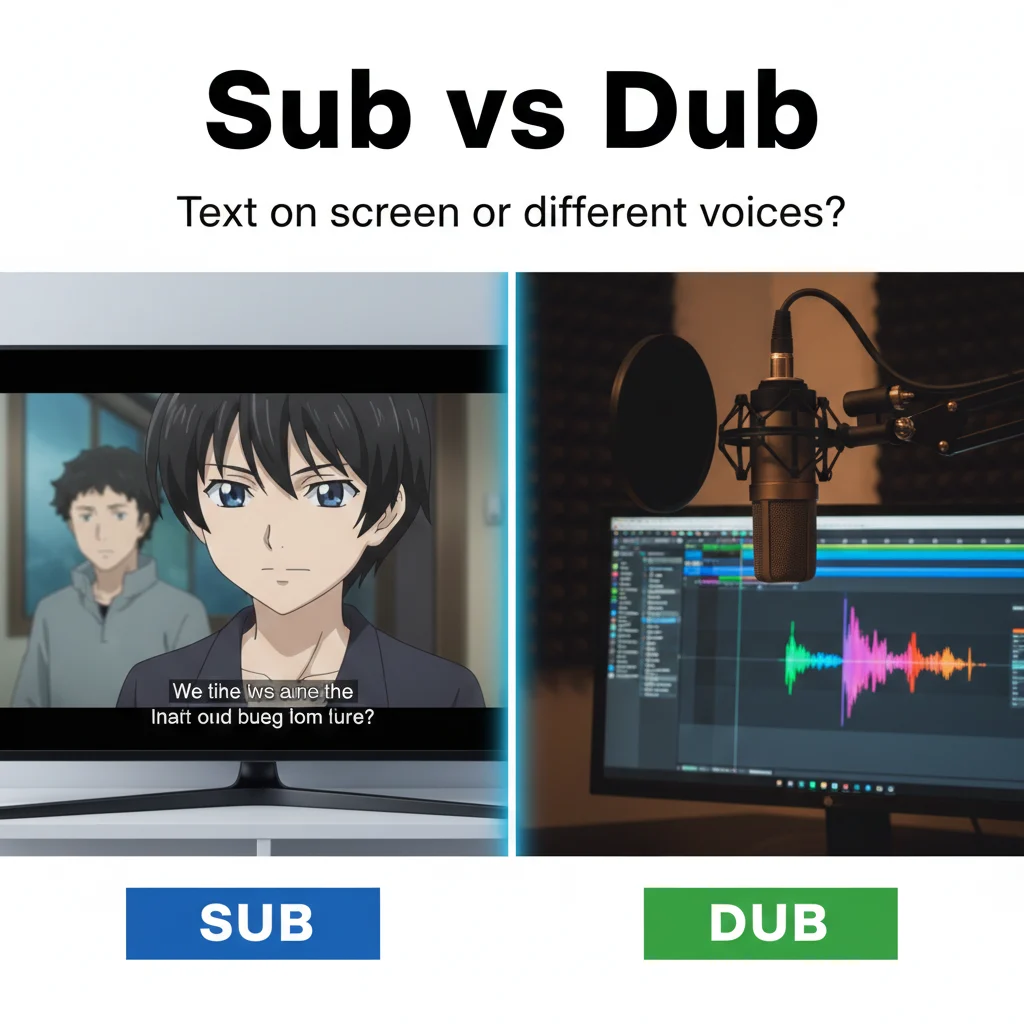
Have you ever watched an anime or a foreign movie and heard people say, “I prefer sub,” while others say, ...
Read more
Sushi or Sashimi: What’s the Difference and Correct Usage?

Many people get confused about sushi or sashimi. Are they the same? Is sashimi just another name for sushi? Or ...
Read more
Cockroach or Beetle: The One Sign You Should Notice
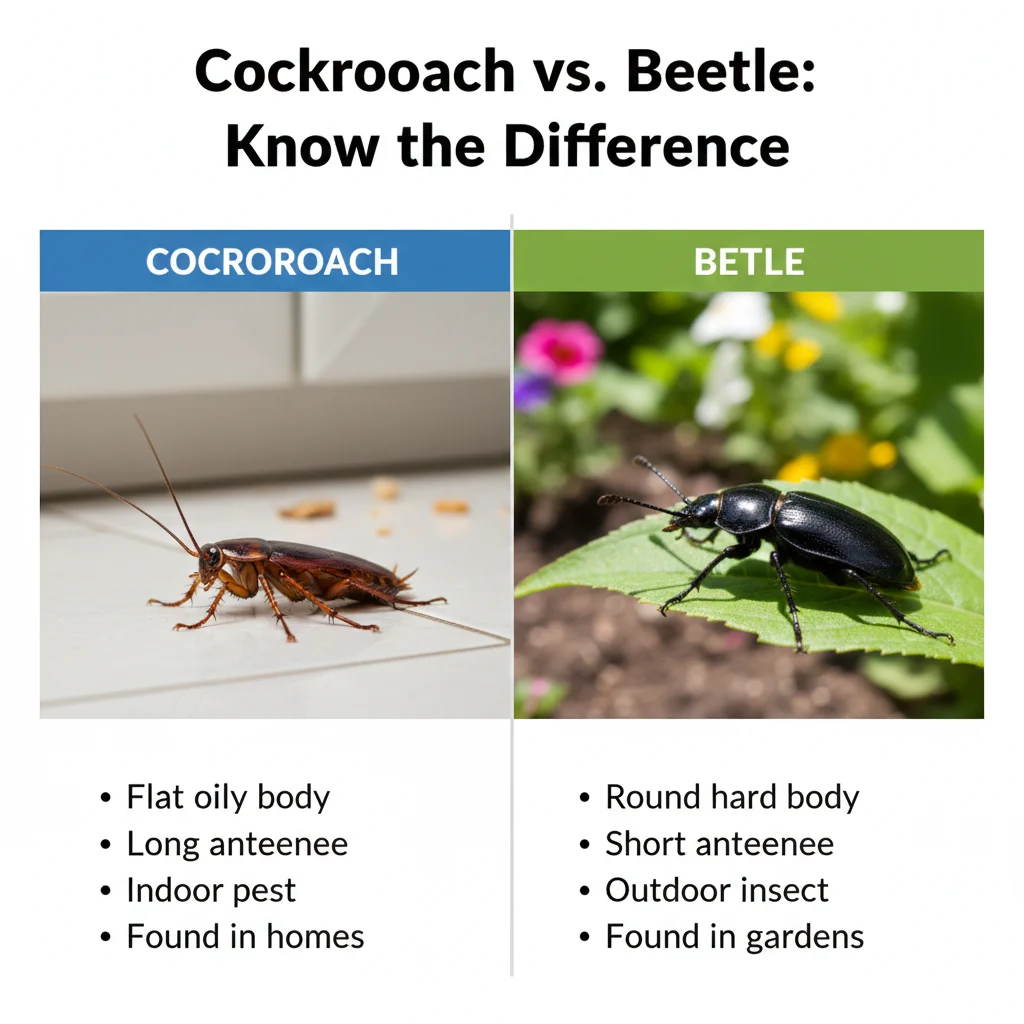
Many people feel confused about cockroach or beetle. Both are insects. Both have hard bodies. Both can crawl quickly. Because ...
Read more
Mac or Windows: The Hidden Difference You Must Know
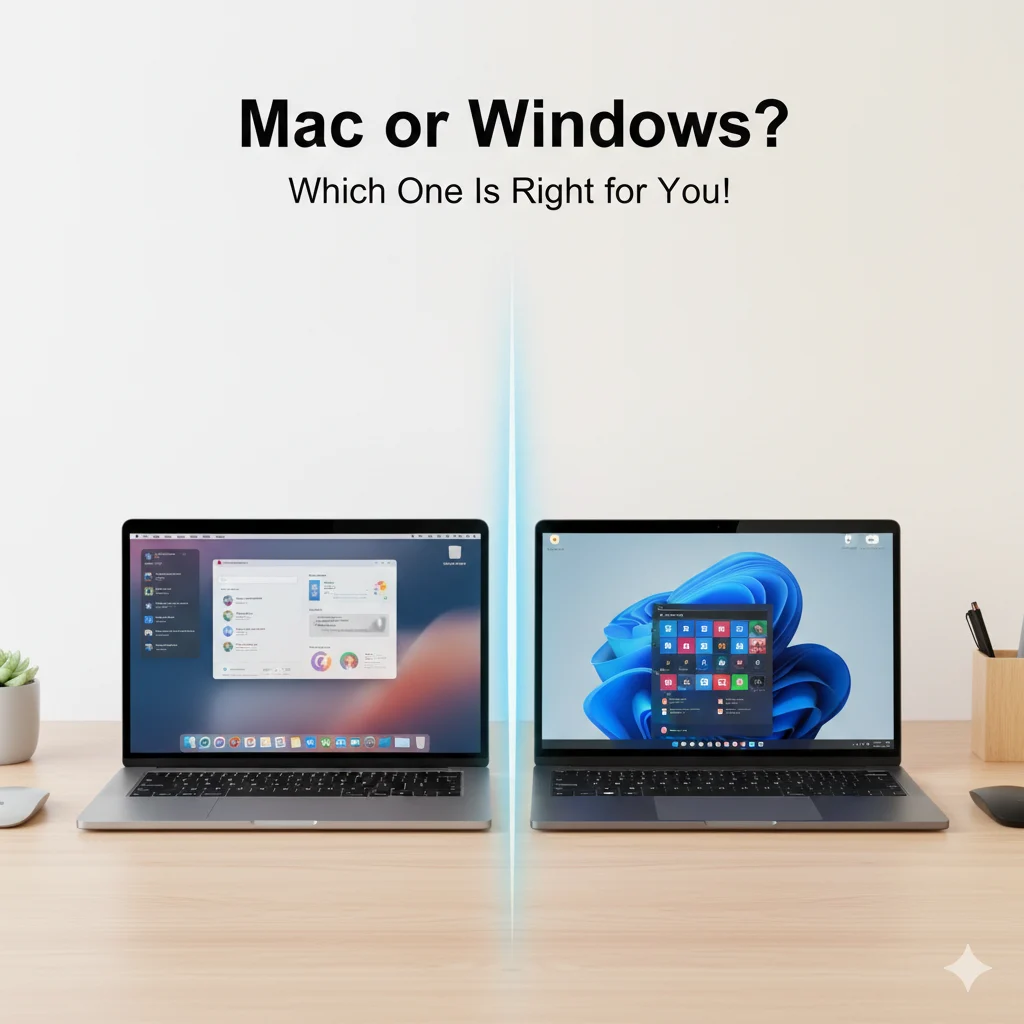
Choosing between Mac or Windows is one of the biggest tech decisions you will ever make. It looks like a ...
Read more