Do you ever wonder whether to use ambience or ambiance in your writing or speech? You are not alone. These two words look almost identical, sound similar, and often confuse even native English speakers. Both words relate to the atmosphere or mood of a place, but their spelling and usage have subtle differences that are worth knowing.
In this article, you will learn the meaning of each word, the key difference between ambience and ambiance, practical examples, common mistakes, and simple memory tricks to use them correctly. By the end of this guide, even beginners will feel confident choosing the right word in daily conversation, school essays, emails, or creative writing. Say goodbye to confusion and hello to clarity!
What Does Each Word Mean?
Ambience
Definition: Ambience refers to the character, mood, or atmosphere of a place. It describes the feeling you get when you enter a space.
Part of Speech: Noun
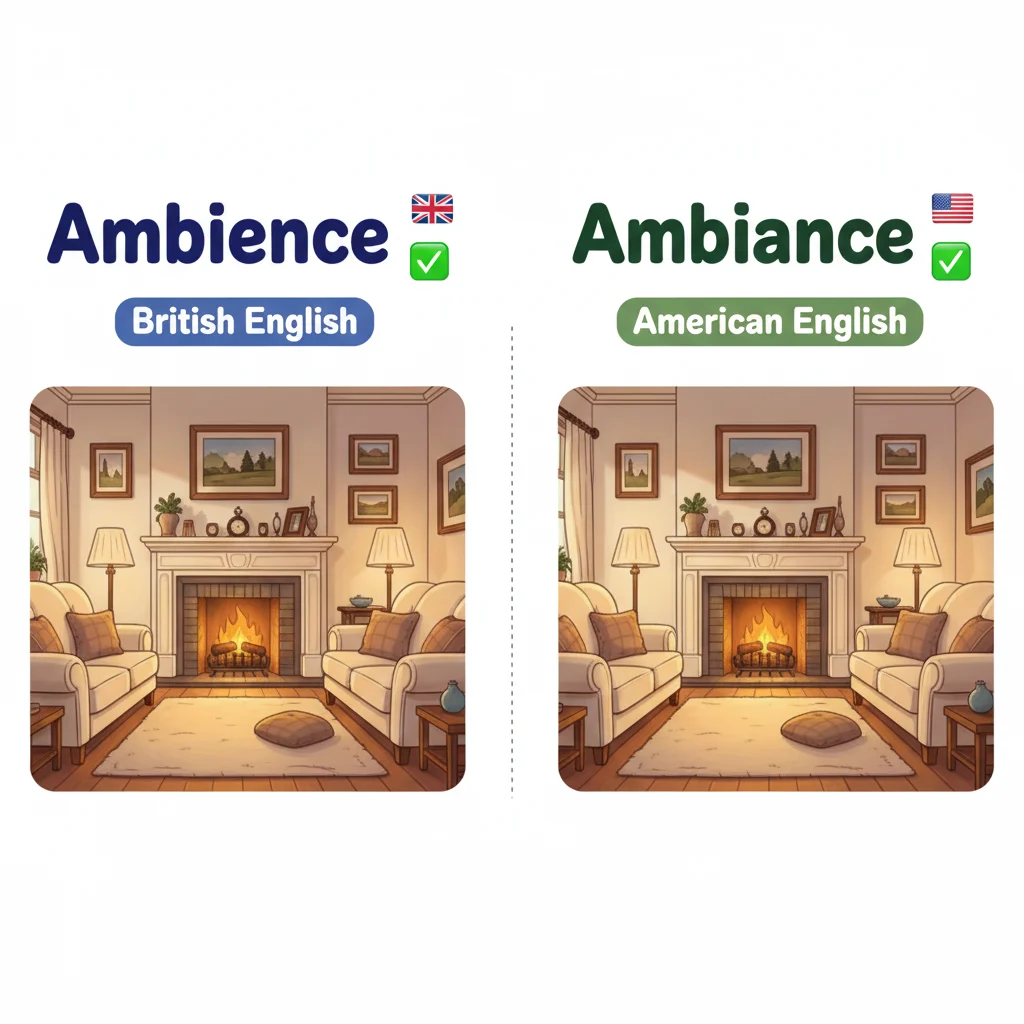
Examples:
- The restaurant’s ambience was cozy and romantic.
- Soft music creates a relaxing ambience in the spa.
- I loved the cheerful ambience of the classroom.
Mini Story: Imagine walking into a coffee shop. You smell fresh coffee, hear gentle background music, and notice warm lighting. All these combine to create the ambience of the shop.
Ambiance
Definition: Ambiance is another way of spelling ambience, mostly used in American English. The meaning is the same: it describes the mood or atmosphere of a place.
Part of Speech: Noun
Examples:
- The wedding hall had a festive ambiance.
- Candles added a romantic ambiance to the dinner.
- The hotel lobby’s modern ambiance impressed the guests.
Mini Story: Think of a library. Quiet, calm, and peaceful – this mood is the ambiance of the library.
The Key Difference Between Ambience and Ambiance
Though ambience and ambiance are interchangeable, their usage differs slightly based on region.
| Feature | Ambience | Ambiance |
|---|---|---|
| Meaning | Mood or atmosphere of a place | Mood or atmosphere of a place |
| Spelling Preference | British English | American English |
| Usage Examples | The café’s ambience is relaxing. | The café’s ambiance is relaxing. |
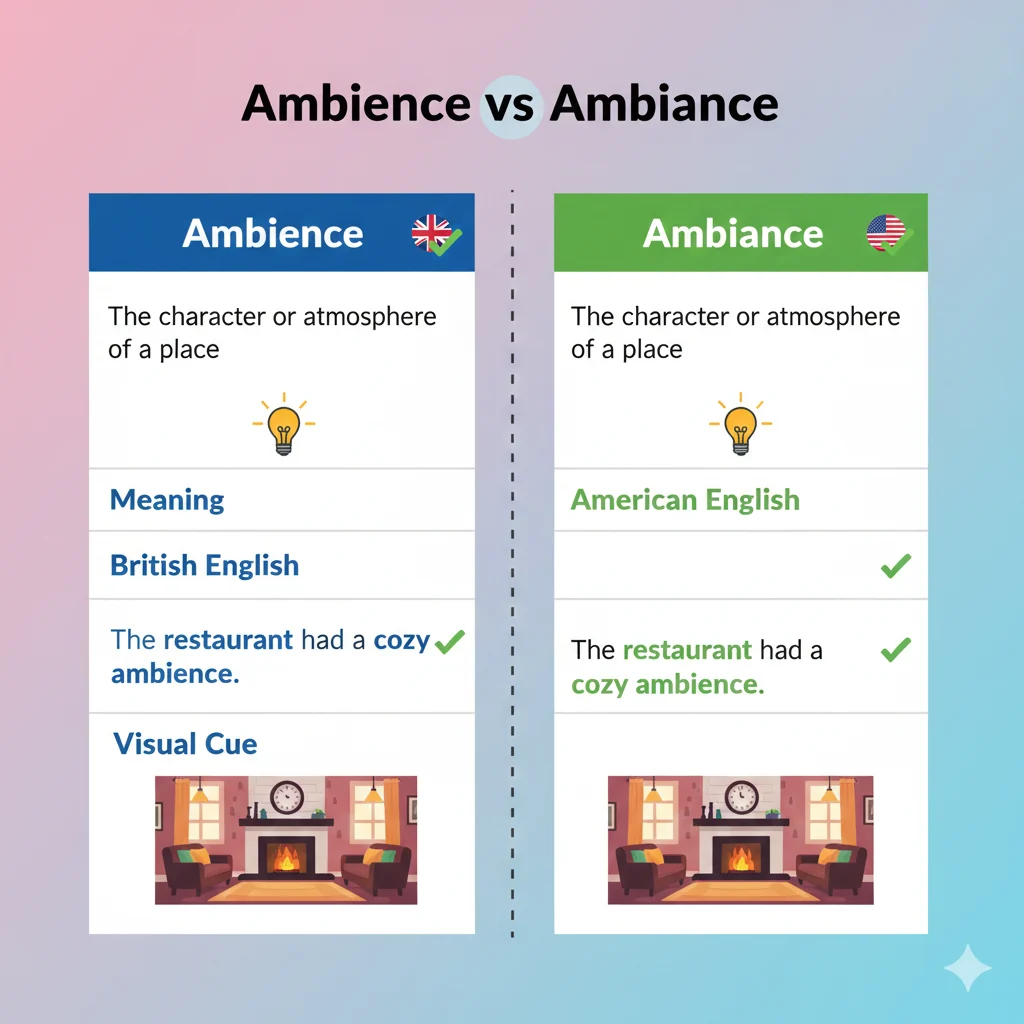
Quick Tip: If you are writing for a British audience, use ambience. For American readers, ambiance is more common.
Common Mistakes and How to Avoid Them
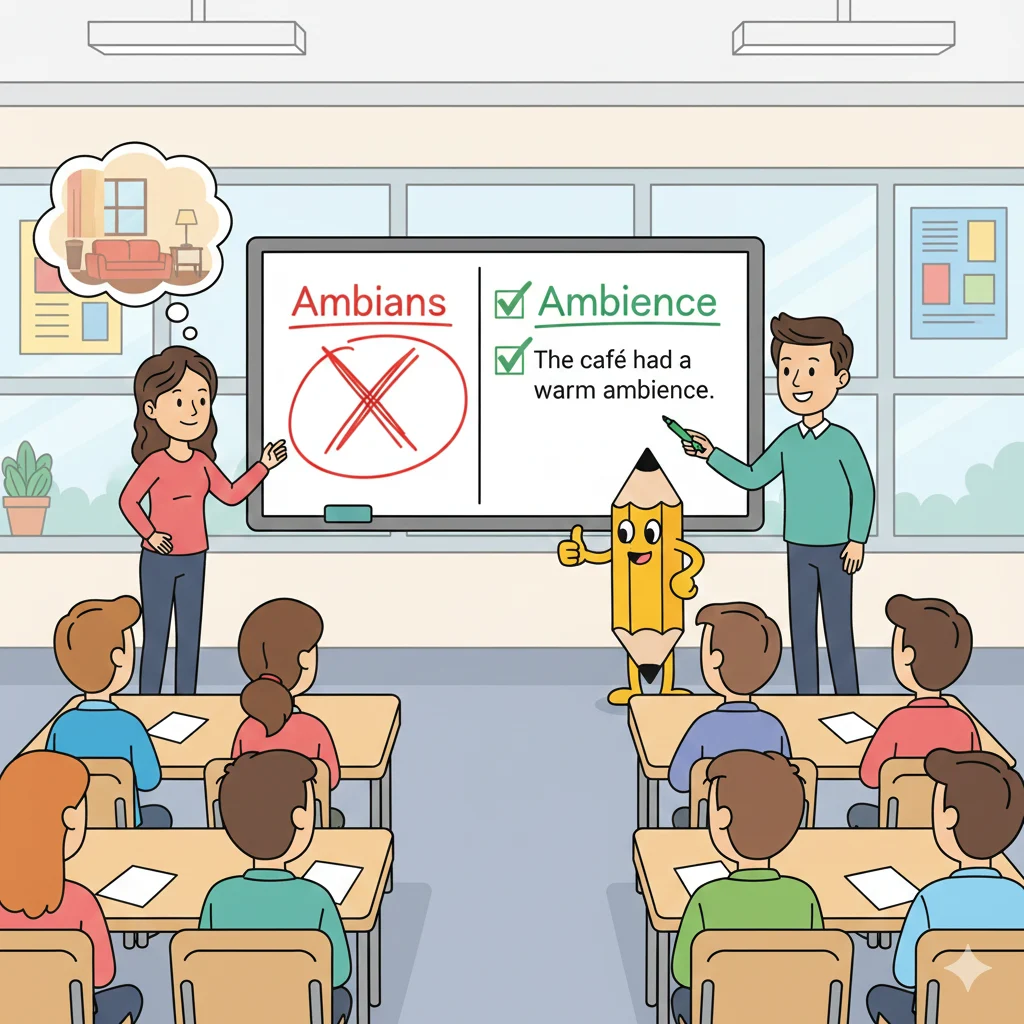
Mistake 1: Using “ambians” or “ambianss”
- ❌ Incorrect: The restaurant has a lovely ambians.
- ✅ Correct: The restaurant has a lovely ambience.
Reason: People sometimes mishear the word and spell it phonetically. Always remember the proper endings: “-ence” or “-ance.”
Mistake 2: Confusing it with “environment”
- ❌ Incorrect: I love the environment of the café.
- ✅ Correct: I love the ambience of the café.
Reason: While environment refers to the physical surroundings, ambience/ambiance focuses on mood and feeling.
When to Use Ambience
Use ambience when you want to describe the feeling or mood of a place in a neutral, professional, or British context.
Examples:
- The restaurant had a calming ambience.
- I enjoyed the festive ambience at the fair.
- The lecture hall had a focused ambience for studying.
- Soft lighting enhances the ambience of any room.
- The café’s ambience makes it perfect for reading.
Memory Tip: Think “B” in ambience = British. Use this spelling for UK audiences.
When to Use Ambiance
Use ambiance when writing for an American audience or in casual settings.
Examples:
- The party’s ambiance was lively and fun.
- Candles created a romantic ambiance at dinner.
- The hotel’s modern ambiance impressed everyone.
- The spa has a relaxing ambiance.
Visual Hack: Picture “A” in ambiance = American. It’s easier to remember which spelling fits US English.
Quick Recap: Ambience vs Ambiance
- Both words mean the mood or atmosphere of a place.
- Ambience = British English; Ambiance = American English.
- Use the word to describe feelings, not physical objects.
- Remember the simple tip: B for British, A for American.
Advanced Tips
- Origin: Both words come from the French word “ambiance,” meaning surrounding or atmosphere.
- Formal Writing: Use ambience in British-style essays and ambiance in American-style essays.
- Online Use: In texts or social media, people often shorten it or misspell it, but formal writing requires the correct spelling to convey professionalism.
Mini Quiz
Fill in the blanks with ambience or ambiance:
- The café has a cozy ________.
- The ballroom’s ________ was festive and bright.
- Soft music improved the room’s ________.
- A library’s quiet ________ helps you focus.
- Candles added a romantic ________ to dinner.
Answers:
- ambience
- ambiance
- ambience
- ambience
- ambiance
FAQs
1. Are ambience and ambiance the same?
Yes, they have the same meaning, but spelling depends on British or American English.
2. Which is correct in American English?
Ambiance is preferred in American English.
3. Can ambience be used in American writing?
Yes, it’s understood, but ambiance is more common.
4. Is there a pronunciation difference?
No significant difference; both are pronounced similarly.
5. Can these words describe people?
No, they describe places or situations, not people.
Conclusion
Now you know the difference between ambience and ambiance, their meanings, and when to use each one. Remember, both words describe the mood or atmosphere of a place, but spelling varies depending on whether you are using British or American English. Using the correct form makes your writing look polished and professional.
Practice using ambience and ambiance in your daily life, whether in school essays, emails, or social media posts. Soon, choosing the right word will feel natural. With these simple tips and memory hacks, you can confidently describe the mood of any place, impress your readers, and improve your English every day.
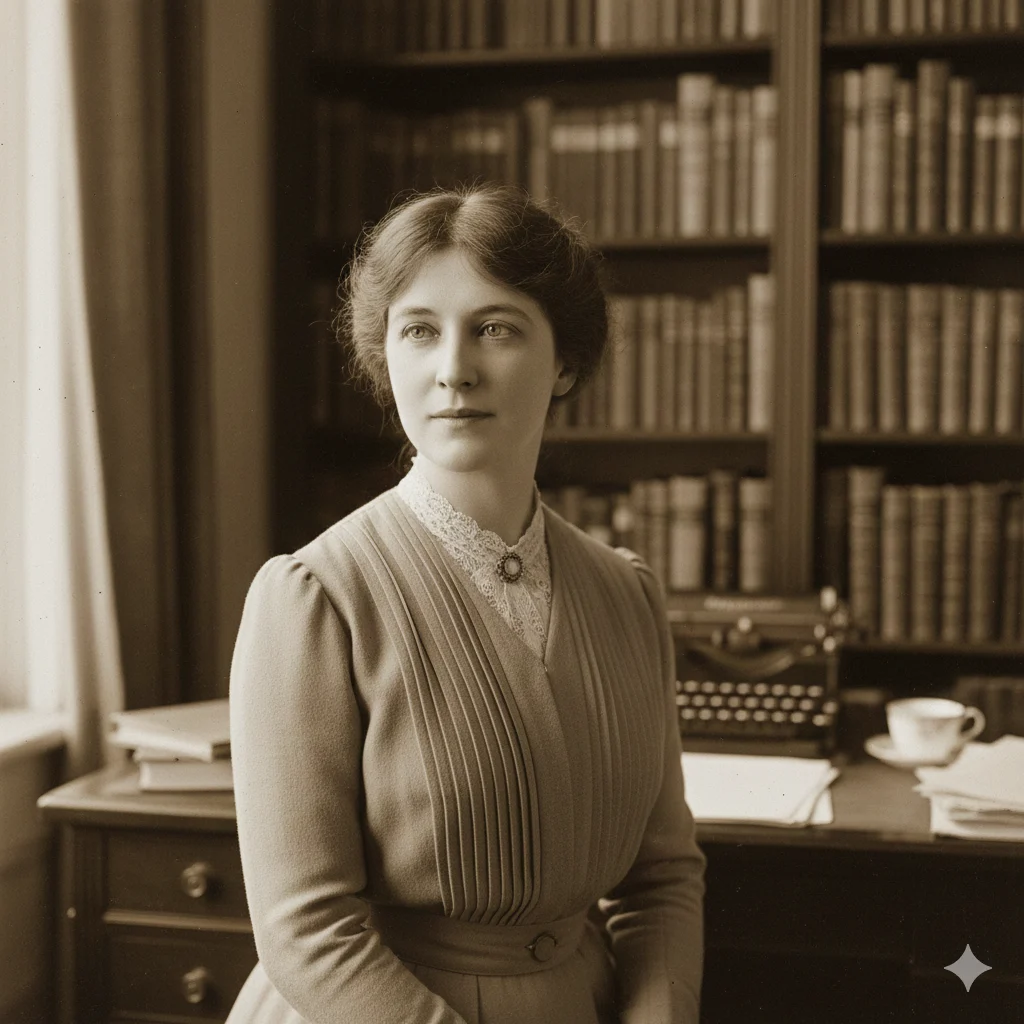
Dorothy Whipple was an English novelist and short story writer, famed for emotional realism, domestic themes, and sharp insight into women’s lives. worldwide UK